Doon–Delhi Expressway: Data Analysis Team to Be Formed for Vehicle Count, Traffic Strategy to Follow
A data analysis team will be formed to count vehicles on the Doon–Delhi Expressway. Based on the assessment of traffic volume, a detailed traffic management strategy will be prepared. The team will also include vehicle data collected from toll barriers.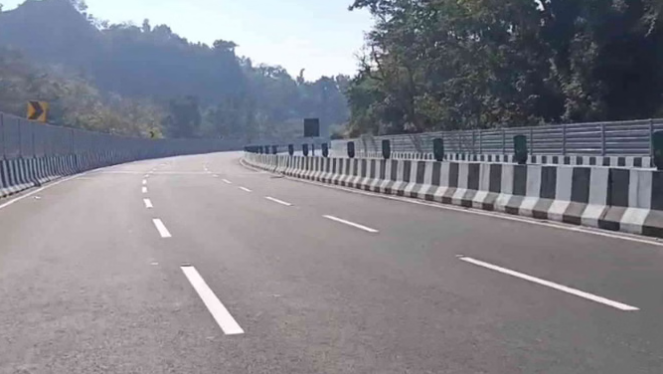
After the expressway becomes operational, the traffic police have begun working on strategies to tackle upcoming challenges. Soon, the counting of vehicles entering from the expressway will begin, with toll barrier data also being incorporated into the analysis.
Traffic Plan Based on Data
A special traffic plan for Dehradun city will be prepared only after analyzing the number of vehicles on regular days as well as weekends. This will help in preventing future traffic congestion.
To carry out this task, the traffic police will constitute a dedicated data analysis team. This team will count vehicles every hour at the entry points of the expressway, including during peak hours. Data will be collected separately for day and night traffic.
Real-Time Monitoring and Coordination
The team will record hourly vehicle data and share updates with the control room and officers stationed at diversion points. This will help reduce traffic pressure in real time.
According to SP Traffic Lokjeet Singh, the team will initially collect data for one week and remain in coordination with toll barriers. Based on this data, weekly traffic plans will be created to keep the city free from congestion.
Separate Data for Heavy and Light Vehicles
The strategy will also consider the flow of heavy and light vehicles separately. Any changes in the time restrictions for heavy vehicles entering the city will be decided based on this data.
Drone Surveillance for Traffic Monitoring
Traffic from the expressway will also be monitored using drones. Live feeds will be sent to the control room, allowing authorities to respond quickly and implement immediate traffic plans when needed.
These plans and updates will be communicated to the public through various channels, including social media, FM radio, and LED information boards, providing details about traffic routes, parking areas, and diversion points.